
Car Insurance Claim Rejected? The Seat Belt & Document Trap Nobody Warns You About
Why insurers can legally deny a claim over a missing seat belt, an unendorsed RC transfer, or an expired document — even when the accident itself was not your fault.
Co-Founder · Letsbima.com
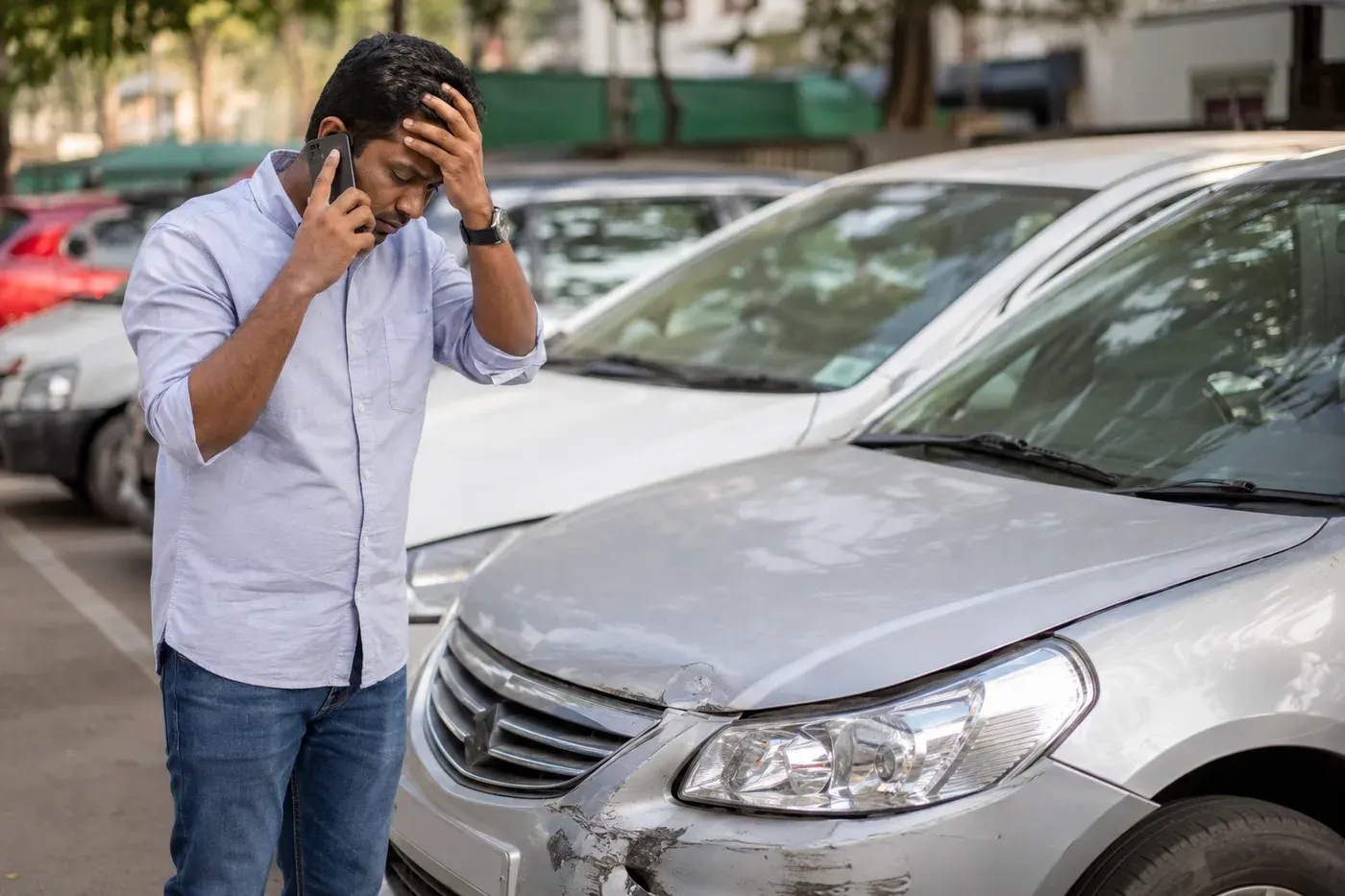
A policyholder files a claim after a genuine, no-fault road accident — the vehicle is damaged, the policy is active and fully paid up, and yet the insurer denies the own-damage portion of the claim. The accident was never in question. What was in question: a seat belt that was not worn, or paperwork that was never updated after a used-car purchase. Neither has anything to do with how the accident happened, and both are enough to trigger a rejection.
Compare Car & Bike Insurance
Compare zero-dep and comprehensive plans before your next renewal.
01It's Rarely the Accident Itself
Insurers rarely dispute the accident narrative itself — dashcam footage, police reports, and repair estimates usually settle that question quickly. What they scrutinize instead is whether a policy condition was breached at the time of the incident, independent of who caused the crash.
Common Grounds Insurers Cite for a Reduced or Denied Claim
- Seat belt not worn by the driver (own-damage / personal accident portion only, not third-party liability).
- Two-wheeler rider or pillion not wearing an ISI-marked helmet.
- The vehicle used for commercial purposes on a private, personal-use policy.
- Driving license expired, or license class not covering the vehicle driven, at the time of the accident.
02The Seat Belt & Helmet Clause
Wearing a seat belt (all occupants) and a helmet (two-wheeler riders) is mandated under the Motor Vehicles Act. When an insurer establishes that a traffic law violation directly contributed to the severity of the driver’s own injuries or vehicle damage, they can invoke contributory negligence to reduce or deny the own-damage and personal accident portion of the claim.
This does not extend to third-party liability. Compensation owed to a third party for injury or property damage is a statutory obligation under Indian motor insurance law, and insurers must pay it regardless of the policyholder’s own contributory negligence.
03The RC Transfer & Document Trail Trap
If you bought a used car or bike and never formally transferred the Registration Certificate (RC) into your name, or never got the insurer to endorse the ownership change on the policy, you technically lack a clean insurable interest in the vehicle at the time of a claim.
Document Gaps That Commonly Trigger Rejection
- RC not transferred to the new owner within the stipulated period after purchase, with the insurance policy not endorsed to match.
- PUC (Pollution Under Control) certificate expired at the time of the accident — used as a contributing factor, not usually a standalone ground.
- A private-registered vehicle used for commercial or paid-hire purposes (e.g. gig-economy deliveries) without the correct policy type.
- Fitness certificate lapsed on a vehicle older than 15 years, where a valid renewal was legally required.
04Driving License Class Mismatch
A less obvious trigger: your driving license must cover the exact vehicle class you were driving. Riding a geared two-wheeler on a license endorsed only for non-geared vehicles, or driving a commercial vehicle on a private light-motor-vehicle license, is treated the same as driving without a valid license for that vehicle — even if the license itself has not expired.
05The Pre-Claim Checklist
None of these traps require legal expertise to avoid — they require treating paperwork and basic compliance as part of your coverage, not separate from it.
Motor Claim-Proofing Checklist
- Always wear a seat belt or ISI-marked helmet, even for short local drives.
- Complete RC transfer and get the insurer to endorse it within the stipulated window after buying a used vehicle.
- Renew your PUC certificate before it lapses, and keep a copy in the vehicle.
- Confirm your driving license category actually covers the vehicle you are driving.
- Never use a private-registered vehicle for paid commercial trips without the correct commercial policy.
Got Questions?
Frequently Asked Questions
Clear answers to common questions about this policy clause.
Need help evaluating your policy?
Book a free, 1-on-1 consultation with a licensed LetsBima advisor to review your existing policy or audit fine-print traps.
Explore More Essential Guides
Plain-English insurance intelligence from our research desk.

The ₹5,000 Room Rent Trap: Why It Costs You Lakhs
How a tiny 1% room limit quietly slashes your surgery, ICU, and doctor payouts by 50% or more.

Forgot to Declare BP or Thyroid? What Happens to Your Claim
The truth about medical history, Section 45 rules, and how to avoid claim rejection.